

Construction Terms You Should Know!
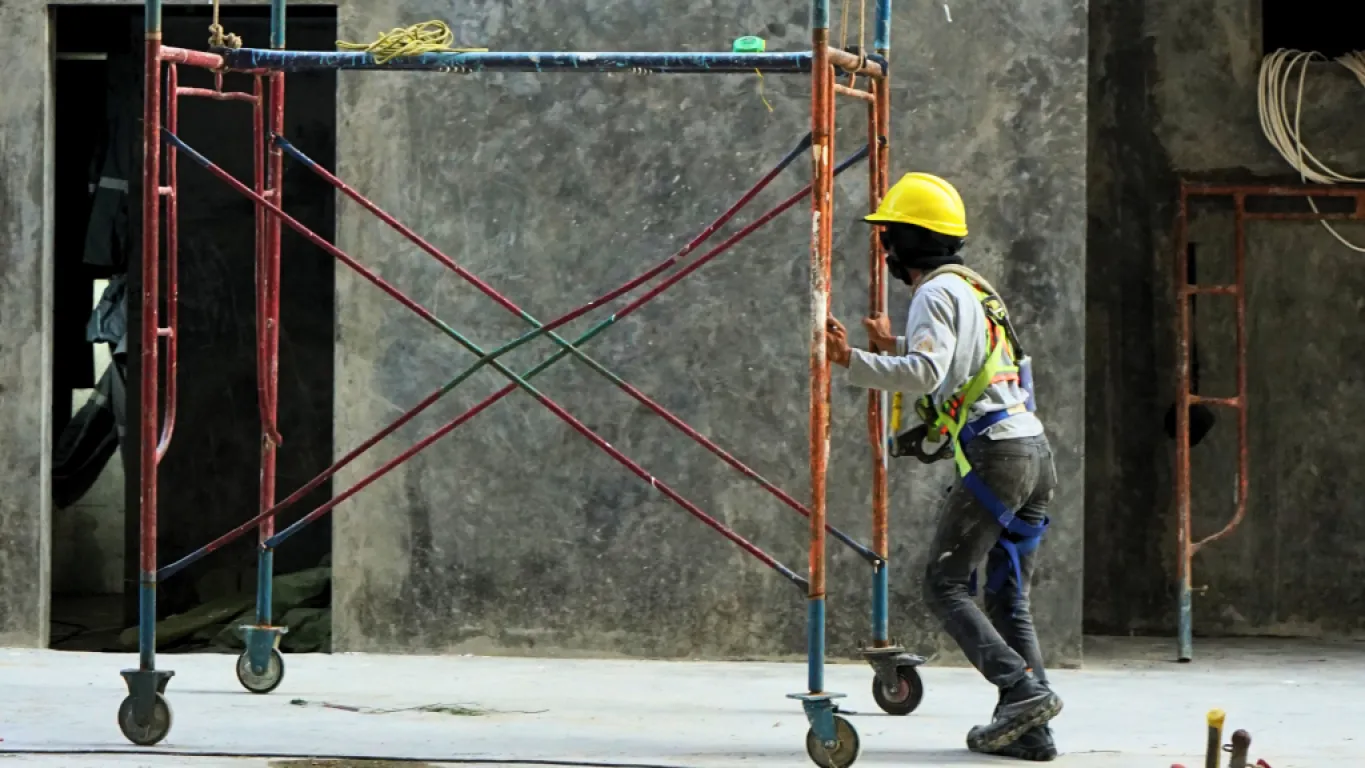
Whether you're planning to build a new home, renovate an office, or develop a commercial property, you've probably come across technical terms such as BOQ, foundation, shop drawing, quality control, or MEP. If you're unfamiliar with the construction industry, these terms can seem confusing at first.
However, understanding basic construction terminology can make it much easier to communicate with your contractor, follow the progress of your project, and make informed decisions throughout the construction process.
In this guide, Elevasi Design Build explains the most commonly used construction terms in clear and simple language, making them easy to understand for homeowners, business owners, and anyone interested in the construction industry.
Why Is It Important to Understand Construction Terms?

Having a basic understanding of construction terminology offers several benefits, including:
Communicating more effectively with contractors and project teams.
Understanding each stage of the construction process.
Reducing misunderstandings during the project.
Knowing the purpose of each construction activity.
Making better decisions before and during construction.
Whether you're building your dream home or managing a commercial project, understanding these terms helps you stay involved and confident throughout the process.
1. Contractor
A contractor is a company or individual responsible for carrying out construction work according to the approved drawings, specifications, budget, and agreed schedule.
Why is it important?
The contractor manages the overall construction process and ensures that the project is completed successfully.
Example
If you're building a two-story house, the contractor will coordinate workers, materials, scheduling, and overall project execution.
2. BOQ (Bill of Quantities)
A Bill of Quantities (BOQ) is a document that lists all construction work and the quantities of materials required for a project.
Why is it important?
A BOQ helps estimate project costs more accurately and ensures materials are properly planned.
Example
A BOQ specifies how many bricks, bags of cement, square meters of tiles, or kilograms of reinforcing steel are needed.
3. Cost Estimate
A construction cost estimate is a document that forecasts the total cost of a construction project, including materials, labor, equipment, and other related expenses.
Why is it important?
It helps property owners understand the expected budget before construction begins.
Example
Before building a house, your contractor prepares a cost estimate so you know approximately how much the project will cost.
4. Foundation
The foundation is the lowest part of a building that transfers the building's weight safely into the ground.
Why is it important?
A strong foundation provides stability and supports the entire structure.
Example
Just as tree roots support a tree, a foundation supports the entire building.
5. Column
A column is a vertical structural member that carries loads from the upper parts of a building down to the foundation.
Why is it important?
Columns are essential for keeping buildings stable and structurally sound.
Example
Think of columns as the legs of a table supporting its top.
6. Beam
A beam is a horizontal structural element that connects columns and supports floors and roofs.
Why is it important?
Beams distribute loads evenly throughout the structure.
7. Floor Slab
A floor slab is the flat concrete surface that forms the floor of each level in a building.
Why is it important?
It supports people, furniture, and other loads within the building.
8. Formwork
Formwork is a temporary mold used to shape concrete while it is still wet.
Why is it important?
It ensures concrete is cast into the correct dimensions and shape.
9. Reinforcement
Reinforcement refers to steel bars (rebar) installed inside concrete to improve its strength and durability.
Why is it important?
Concrete is strong in compression but weak in tension. Reinforcing steel helps overcome this limitation.
10. Concrete Pouring
Concrete pouring is the process of placing fresh concrete into formwork.
Why is it important?
It is one of the most critical stages in structural construction.
11. Concrete Curing
Concrete curing is the process of maintaining adequate moisture and temperature after concrete has been poured.
Why is it important?
Proper curing allows concrete to achieve its intended strength and reduces the risk of cracking.
12. Shop Drawing
A shop drawing is a detailed technical drawing used by construction workers during the building process.
Why is it important?
It provides precise instructions for fabrication and installation.
13. As-Built Drawing
An as-built drawing records the final condition of a completed building, including any changes made during construction.
Why is it important?
It serves as a valuable reference for future renovations, maintenance, or repairs.
14. MEP (Mechanical, Electrical, and Plumbing)
MEP refers to the mechanical, electrical, and plumbing systems that allow a building to function properly.
Why is it important?
Without well-designed MEP systems, buildings cannot operate efficiently or comfortably.
15. Quality Control (QC)
Quality Control is the process of inspecting completed work to ensure it meets project specifications and quality standards.
Why is it important?
QC helps ensure every part of the project is completed correctly.
16. Quality Assurance (QA)
Quality Assurance focuses on improving and monitoring construction processes to prevent defects before they occur.
Why is it important?
QA helps maintain consistent quality throughout the project.
17. Finishing
Finishing is the final stage of construction where the building's appearance and functionality are completed.
Examples include:
Painting
Floor tile installation
Ceiling installation
Wallpaper installation
Sanitary fixture installation
Lighting installation
18. Site Survey
A site survey is the process of inspecting and evaluating a project site before construction begins.
Why is it important?
It helps identify land conditions, access routes, utilities, and other factors that may affect the project.
19. Project Manager
A Project Manager is responsible for planning, coordinating, and overseeing the entire construction project from start to finish.
Why is it important?
The Project Manager ensures that the project is completed on time, within budget, and according to quality standards.
20. Project Handover
Project handover is the final stage of construction when the completed building is officially delivered to the client.
Why is it important?
It confirms that all work has been completed and meets the agreed project requirements.
Tips for Communicating Effectively with Your Contractor
If this is your first construction project, don't worry if you're unfamiliar with every construction term. Never hesitate to ask your contractor to explain any terminology used throughout the project.
A professional contractor will always be willing to explain each stage of the construction process in clear and simple language, allowing you to better understand the project's progress and make informed decisions with confidence.
If you're planning a construction, renovation, interior, or landscape project, feel free to contact Elevasi Design Build through our WhatsApp or Instagram for a fast, professional, and reliable consultation. Our team is ready to help turn your ideas into reality with quality workmanship and trusted project management.