
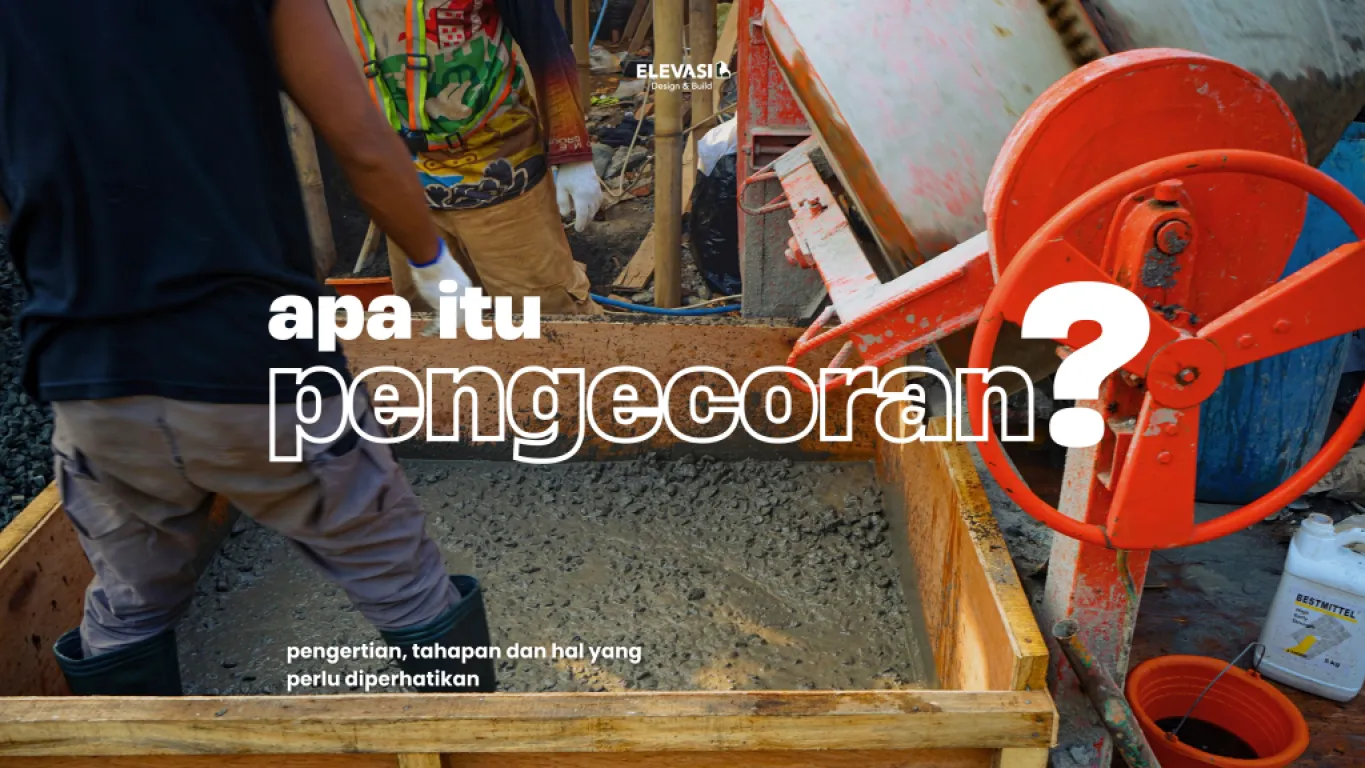
What Is Concrete Pouring? Definition, Stages, and Key Considerations
Concrete pouring is one of the most important stages in construction work, used to form structural elements such as columns, beams, floor slabs, and foundations. The process requires proper preparation and execution to ensure that the concrete achieves the required quality and strength.
In construction projects, concrete is one of the most widely used materials due to its high compressive strength and ability to be formed according to structural requirements. However, concrete quality is not determined solely by the materials used. The way the concrete is prepared, poured, compacted, and cured also plays an important role in the final result.
So, what exactly is concrete pouring? What are the stages involved, and what should be considered during the process?
What Is Concrete Pouring?
Concrete pouring is the process of placing a concrete mixture into a formwork that has been prepared according to the planned shape and dimensions of a structural element.
Concrete mixtures generally consist of cement, fine aggregates such as sand, coarse aggregates such as gravel or crushed stone, and water. In certain applications, additional materials or admixtures may also be used to achieve specific properties based on the project's requirements.
Once the concrete has been placed into the formwork, it needs to be properly compacted and cured to support the hardening process and achieve the required performance.
Concrete pouring can be carried out for various parts of a building, including:
Foundations
Columns
Beams
Floor slabs
Stairs
Concrete walls
Other structural elements
Each structural element may require a different method of execution depending on the structural design and site conditions.
Stages of Concrete Pouring
Concrete pouring is not simply the process of placing concrete into formwork. Several stages need to be properly prepared to ensure that the work can be carried out effectively.
Preparing the Pouring Area
Before concrete pouring begins, the work area needs to be properly prepared. The pouring area should be clean and free from unnecessary materials, debris, or other objects that could interfere with the process. Access for workers, equipment, and materials should also be considered to ensure that the pouring process runs smoothly. At this stage, the site team also checks whether the area and structural components are ready for concrete placement.
Inspecting the Formwork
Formwork is a temporary structure used to shape concrete according to the planned design. Before the concrete is poured, the formwork should be inspected to ensure that its position, dimensions, elevation, alignment, and stability meet the required specifications. Poorly installed or insufficiently supported formwork may deform when subjected to the pressure and weight of fresh concrete. Therefore, formwork inspection is an important part of the preparation process.
Inspecting the Reinforcement
For reinforced concrete structures, steel reinforcement must be installed according to the structural drawings and specifications. The inspection may include checking the reinforcement's position, diameter, quantity, spacing, and supporting components. This is important to ensure that the reinforcement remains in its intended position during the concrete pouring process.
Preparing and Inspecting the Concrete
The concrete used should meet the specifications established during the structural planning stage. When ready-mix concrete is used, the concrete is transported from a batching plant to the construction site using concrete mixer trucks. Depending on the project's requirements, the concrete may be inspected through specific tests to ensure that its characteristics are suitable for the intended application.
The Concrete Pouring Process
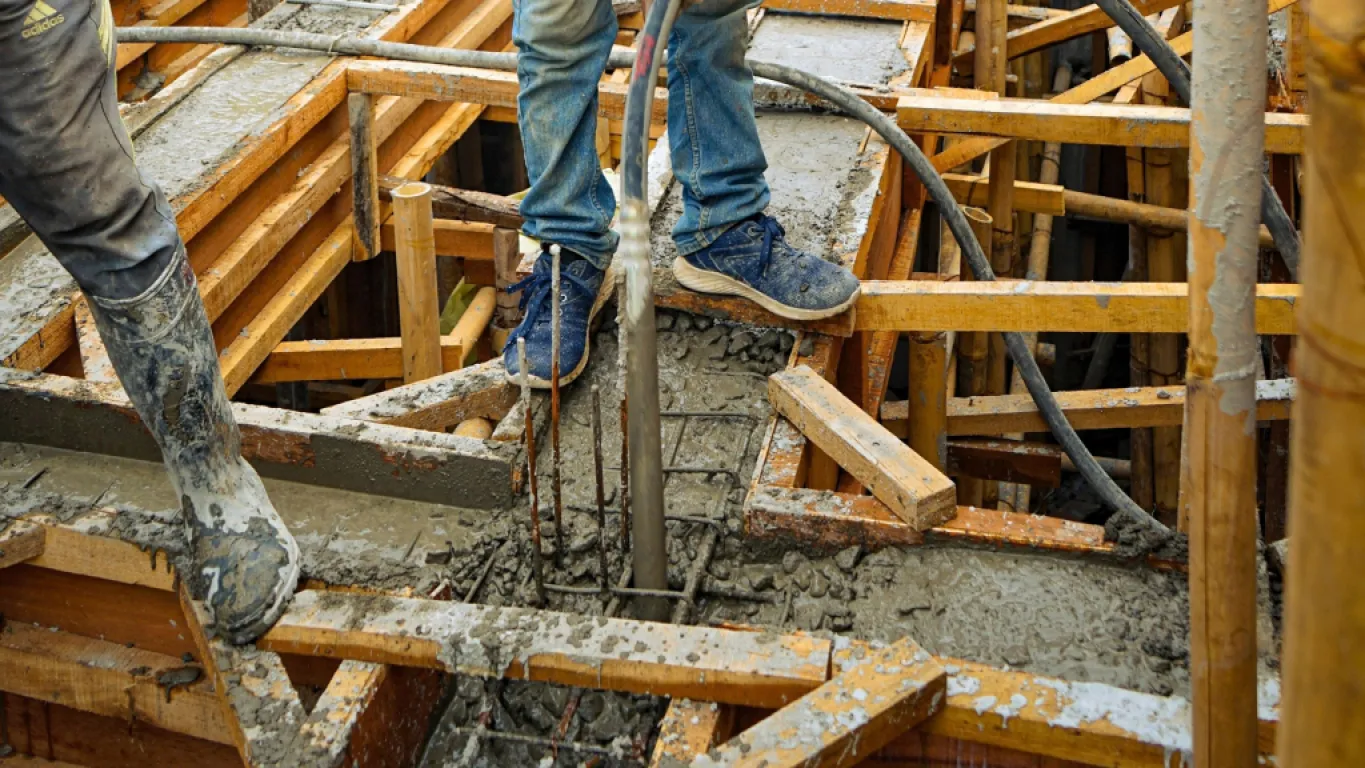
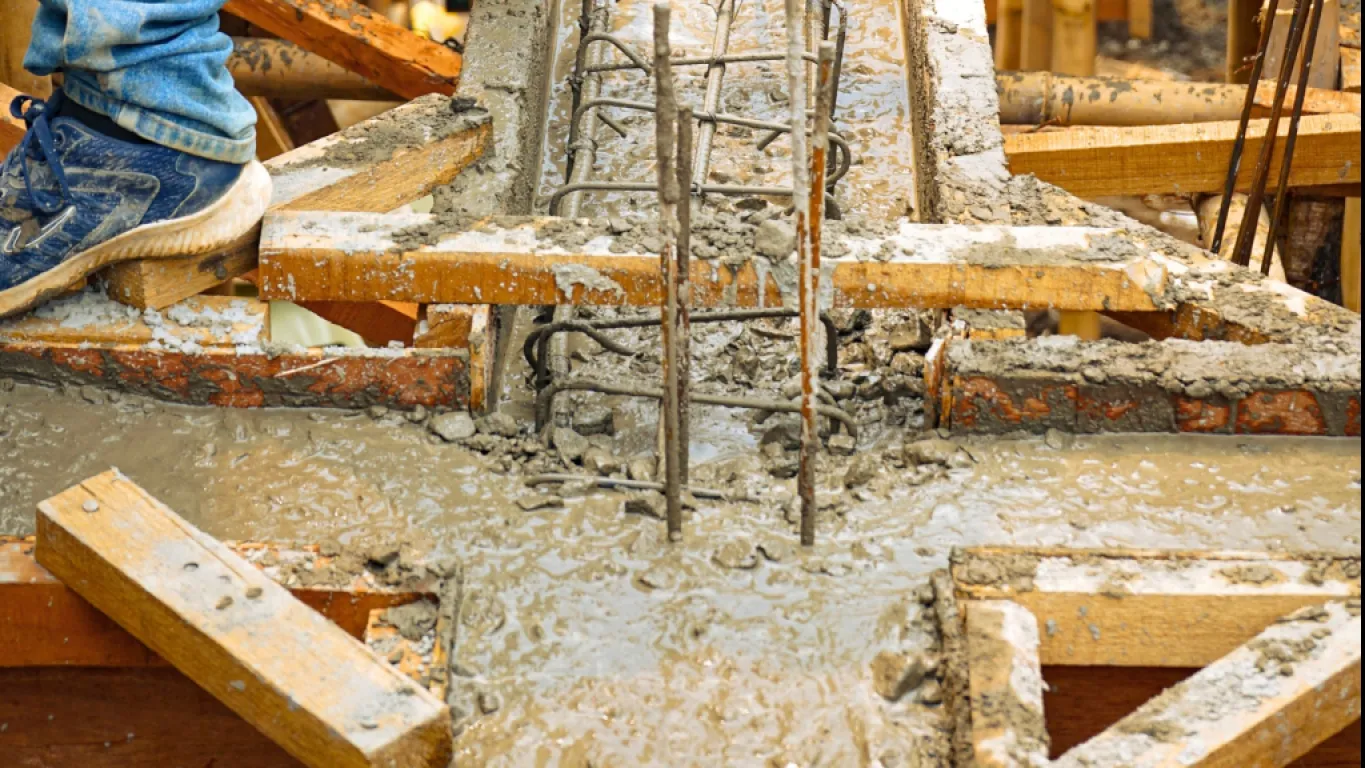
Once all preparations have been completed, the concrete is placed into the prepared formwork. The process should be carried out in a controlled manner to ensure that the concrete properly fills the designated area. In certain applications, concrete may need to be placed in stages depending on the construction method and site conditions. During the process, the site team needs to control the distribution of concrete to prevent excessive accumulation in one area, which could place additional pressure on the formwork.
Concrete Compaction
After the concrete has been placed, it needs to be compacted to help remove trapped air voids within the concrete. One of the commonly used tools for this process is a concrete vibrator. Proper vibration is important. Insufficient compaction can result in voids or honeycombing, while improper use of a vibrator can also affect the quality of the concrete.
Finishing and Leveling the Concrete Surface
Once the concrete has been properly placed and compacted, the surface is leveled according to the required elevation and finish. This stage is particularly important for elements such as floor slabs and other concrete surfaces where a certain level of flatness and finish is required.
Concrete Curing
The work does not end once the concrete has been poured. Concrete requires proper curing to maintain suitable conditions during the hardening process. One of the main purposes of curing is to prevent excessive moisture loss from the concrete.
The curing method may vary depending on the type of structural element, environmental conditions, and construction method used on the project.
Key Considerations When Pouring Concrete
Several aspects need to be considered throughout the concrete pouring process, from preparation to curing.
Formwork and Reinforcement Readiness
Before pouring begins, the formwork and reinforcement should be thoroughly inspected. Incorrect positioning or installation may affect the shape, dimensions, or performance of the structural element.
Material Quality
The materials used in the concrete mixture should comply with the required specifications. Material quality is one of the factors that influences the characteristics and performance of the resulting concrete.
Weather Conditions
Environmental conditions should also be considered, particularly when concrete pouring takes place in an open area. Rain, excessive heat, and other environmental factors can affect construction activities and should be properly anticipated by the site team.
Construction Method
Every construction project has different requirements and site conditions. Therefore, the concrete pouring method should be adjusted according to the type of structural element, concrete volume, site access, available equipment, and overall project conditions.
Compaction and Curing
Proper compaction helps reduce voids within the concrete, while appropriate curing helps maintain the conditions required during the concrete hardening process.
Both stages are important and should not be overlooked after the concrete has been placed.
Why Is Proper Concrete Pouring Important?
Concrete pouring is part of a larger structural construction process in which each stage is interconnected. Errors during preparation or execution may affect the quality of the work and potentially lead to additional repair requirements.
For this reason, concrete pouring should be carried out based on construction drawings, technical specifications, approved construction methods, and proper site supervision.
The quality of a completed structure is not determined only by the materials used, but also by how each stage of construction is executed.
From preparation, formwork and reinforcement installation, concrete pouring, and compaction to curing, every stage needs to be properly planned and controlled.
Concrete Pouring in the Construction Process
Concrete pouring is only one part of the overall construction process. Before reaching this stage, various activities need to be properly planned and prepared.
From design and structural planning, material selection, and cost estimation to on-site construction, each stage plays an important role in delivering a building that meets the client's requirements.
With an integrated approach to design and construction, the development process can be managed in a more structured and controlled manner.
Elevasi Design Build takes an integrated approach to design and construction, helping clients bring their building concepts to life through a well-planned and coordinated process.