
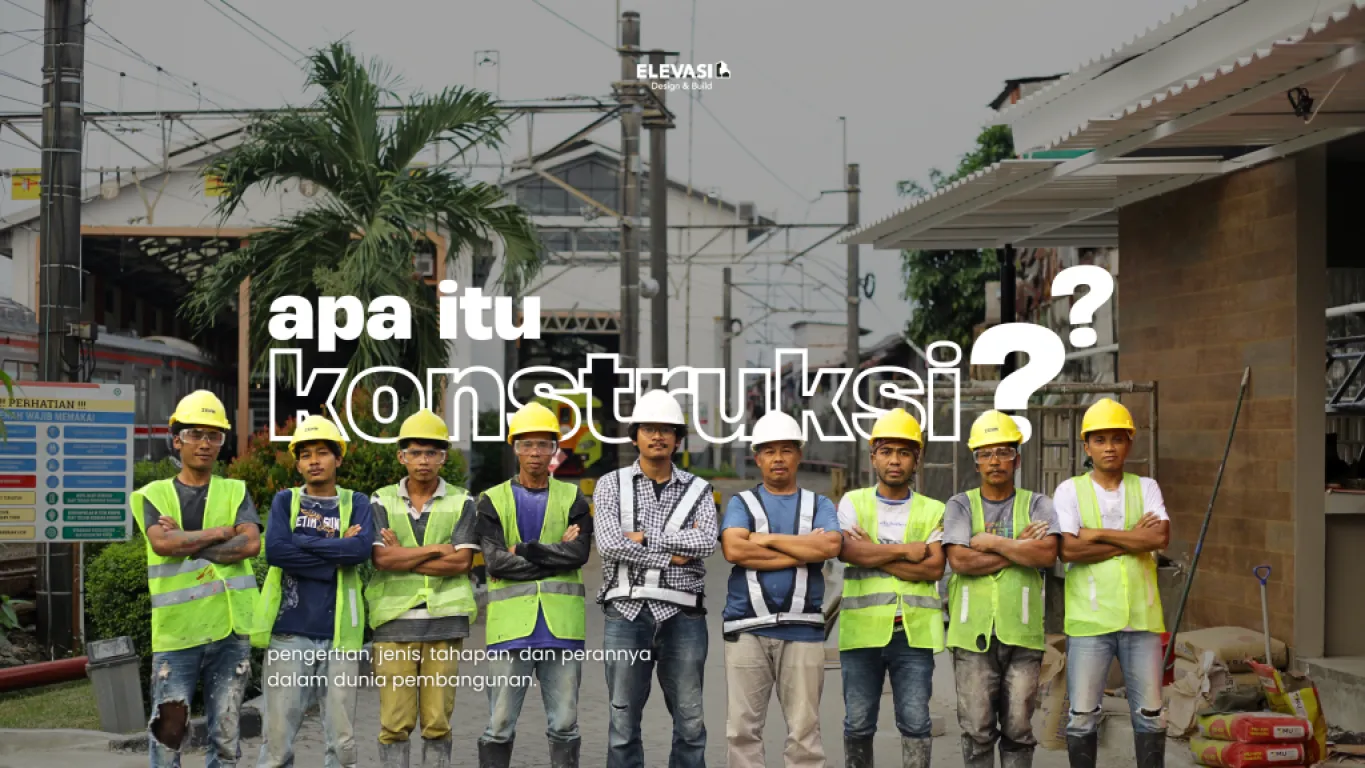
When people hear the word construction, they often picture construction workers, heavy machinery, or the process of erecting buildings. In reality, construction is a far more comprehensive process. Behind every house, office, hotel, hospital, or highway lies a series of interconnected stages, including planning, coordination, supervision, and execution.
For homeowners, business owners, and property investors, understanding the fundamentals of construction can help them make informed decisions before starting a project. This knowledge also makes it easier to choose the right construction method, prepare a realistic budget, and select a reliable construction partner.
In this article, you will learn about the definition of construction, its different types, project stages, the professionals involved, common challenges, and practical tips for choosing the right construction company.
What Is Construction?
Construction is the process of planning, building, renovating, or developing a structure or infrastructure so that it can serve its intended purpose.
The construction process involves much more than physical work on-site. It also includes:
Feasibility studies
Design planning
Budget preparation
Material procurement
Construction execution
Quality control
Project handover
In other words, construction is an integrated system that brings together various disciplines to create buildings that are safe, efficient, functional, and compliant with industry standards.
Why Is Construction Important?
Construction plays a significant role in everyday life. Almost every human activity takes place within structures created through construction, from homes and office buildings to schools, shopping centers, hospitals, and public infrastructure.
Beyond providing functional spaces, construction also contributes to:
Increasing property value
Supporting economic growth
Creating employment opportunities
Improving people's quality of life
Developing infrastructure that enhances mobility and productivity
For these reasons, the quality of the construction process is one of the key factors determining the success of any development project.
The Main Objectives of Construction
Although every project has different goals, construction generally aims to:
Deliver safe and functional buildings.
Optimize space according to users' needs.
Improve cost and schedule efficiency.
Meet technical standards and workplace safety requirements.
Increase the long-term value of a property.
If these are the outcomes you hope to achieve, partnering with a trusted construction company such as Elevasi Design Build can help ensure your project is professionally managed from concept through completion.
Types of Construction
1. Building Construction
This category includes residential homes, apartment buildings, office towers, shopping centers, hotels, schools, hospitals, and other commercial properties.
2. Civil Construction
Civil construction focuses on infrastructure projects such as highways, bridges, dams, drainage systems, ports, and public utilities.
3. Industrial Construction
Industrial construction involves manufacturing facilities such as factories, warehouses, refineries, and industrial complexes that require specialized engineering and technical specifications.
4. Landscape Construction
Landscape construction combines civil engineering with landscape architecture to create functional and visually appealing outdoor environments, including gardens, parks, pedestrian pathways, plazas, and green open spaces.
As you can see, construction involves much more than simply erecting buildings. It encompasses a wide range of disciplines, each serving a different purpose within the built environment.
Stages of a Construction Project
The success of every construction project depends on a systematic workflow. The following stages are typically involved:
1. Consultation and Needs Assessment
The project begins with understanding the client's objectives, building functions, budget expectations, and desired completion timeline.
2. Site Survey
The project team measures and analyzes site conditions to ensure that the proposed design is feasible.
3. Planning and Design
Architectural concepts, working drawings, technical specifications, and engineering calculations are prepared during this stage.
4. Budget Preparation
Construction costs are estimated based on drawings, work volumes, material prices, and labor requirements.
5. Project Preparation
This stage includes procuring materials, mobilizing workers, securing the site, and developing the construction schedule.
6. Construction Execution
Construction activities are carried out according to approved drawings, technical specifications, and the agreed project timeline.
7. Quality Control
Every stage is carefully inspected to ensure compliance with quality standards and project specifications.
8. Project Handover
After all work has been completed and final inspections have been conducted, the project is officially handed over to the client.
Who Is Involved in a Construction Project?
Construction projects rely on collaboration between many professionals, including:
Project owners
Architects
Interior designers
Civil and structural engineers
Project managers
Quantity surveyors
Main contractors
Subcontractors
Site supervisors
Construction workers
Material suppliers
The successful completion of a project depends on effective coordination and collaboration among all stakeholders.
Factors That Determine Project Success
Several factors contribute significantly to a successful construction project, including:
Thorough planning
Accurate construction drawings
High-quality building materials
Consistent site supervision
Effective time management
Clear communication between the client and project team
Budget control
Compliance with occupational health and safety standards
Challenges in the Construction Industry
Like any industry, construction faces several common challenges, such as:
Unpredictable weather conditions
Material delivery delays
Design changes during construction
Rising material costs
Workforce coordination
Quality assurance
Workplace safety
To minimize these risks, property owners should carefully select a reputable construction company. Consider reviewing previous projects, verifying the company's legal credentials and experience, understanding its workflow, requesting a clear explanation of the project scope, ensuring transparent communication, and avoiding decisions based solely on the lowest price.
A reliable contractor does more than complete a project—they guide clients through every stage of the construction process and provide professional solutions to achieve the desired outcome.
Common Mistakes Made by Project Owners
Many construction projects experience delays or budget overruns because of avoidable mistakes, including:
Starting construction without proper planning.
Proceeding without complete working drawings.
Frequently changing the design during construction.
Sacrificing material quality to reduce costs.
Selecting a contractor based solely on price.
Construction is a comprehensive process that encompasses planning, design, execution, and supervision to create buildings that are safe, functional, and built to last. Understanding the fundamentals of construction enables homeowners, businesses, and investors to make informed decisions when building a new property, renovating an existing one, or developing commercial facilities.
With careful planning, quality materials, and collaboration with experienced professionals, construction projects can be completed more efficiently while delivering lasting value for years to come.